Key Takeaways
Customizing power transmission designs is critical for enhancing performance and addressing the distinct needs of various industrial applications.
Mechanical equipment durability greatly decreases downtime and maintenance expenses, resulting in increased profitability for organizations.
The rise of technologies like IoT and AI is revolutionizing power transmission, enabling predictive maintenance and boosting operational efficiency.
To achieve optimal operational efficiency, high-performance clutches play a significant role by minimizing power loss during mechanical system engagement and disengagement.
Assessing the right brake system involves a detailed examination of load types and operational conditions, ensuring enhanced safety and dependability.
Implementing proactive maintenance practices, such as regular inspections and performance assessments, is crucial for maximizing equipment lifespan and efficiency.
As sustainability gains importance in power transmission, the demand for energy-efficient solutions that comply with regulatory standards and corporate social responsibility goals continues to grow.
Innovative Power Transmission Solutions for Modern Industries
Why Customization is Key in Power Transmission Design
In power transmission, customization is vital for addressing the unique demands across diverse industrial applications. Unlike one-size-fits-all solutions, tailored systems can enhance performance, extend equipment longevity, and adeptly respond to specific operational challenges. Professionals recognize that each facility is unique; a generic approach often leads to inefficiencies.
Consider, for example, a manufacturing facility that manages variable load conditions. A standard power transmission configuration could struggle during peak cycles, resulting in equipment breakdowns. Conversely, a specifically tailored solution takes these fluctuations into account, ensuring components operate correctly under varying stress levels. It’s about comprehending load dynamics and designing components capable of withstanding them.
Experts often emphasize that collaboration with specialists during the design phase is essential. Organizations that partner with mechanical engineers and industry consultants gain valuable insights that fuel innovation. This collaboration results in designs seamlessly integrating into existing systems, while effectively addressing performance issues. Thus, clients should pursue partnerships that promote this degree of customization.
The Role of Durability in Mechanical Equipment Performance
Durability is paramount in mechanical equipment. It’s not merely a marketing term; it’s a characteristic that can profoundly influence performance and reliability. Professionals advocate for investing in durable components as it leads to decreased downtime, lower maintenance costs, and, ultimately, greater profitability for businesses. After all, who wouldn’t want that?
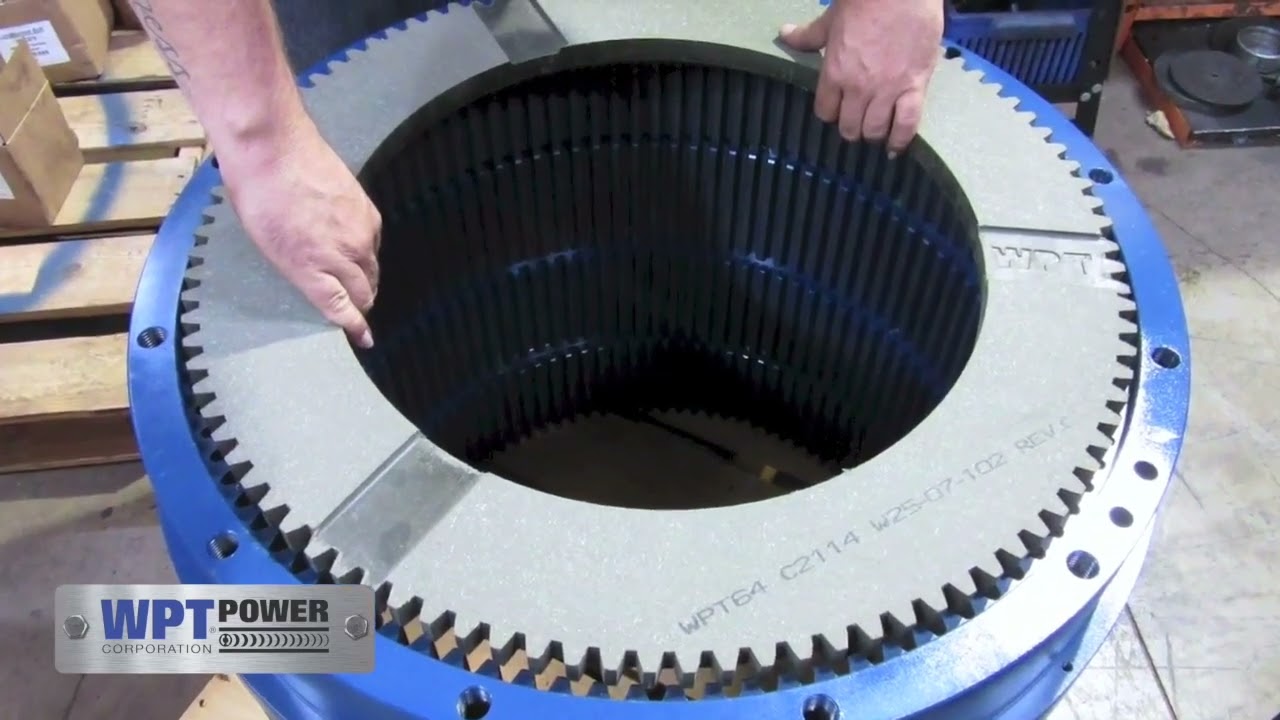
Take, for example, clutch and brake systems’ materials. High-grade alloys and specially treated metals enhance longevity and performance. A provider like WPT Power Corp understands that durable product designs lead to fewer failures. In contrast, inferior alternatives increase risks. Frequent replacements can strain budgets and disrupt production timelines. Acknowledging the long-term advantages of robust designs pays dividends.
- Assess the unique requirements of each application.
- Invest in premium materials for mechanical components.
- Regularly measure equipment performance against industry standards.
In the end, durability should never be an afterthought – it forms the foundation of reliable operations. Clients who prioritize this aspect often experience seamless production processes.
Emerging Technologies Shaping Power Transmission Today
The influx of new technologies is reshaping power transmission in unprecedented ways. From IoT advancements to artificial intelligence innovations, these changes not only elevate operational efficiency but also unfold entirely new possibilities. Here’s the bottom line: adaptability is vital in today’s rapid environment.
Industry professionals increasingly leverage AI-powered predictive maintenance tools, which provide real-time health assessments of equipment. This proactive methodology enables businesses to tackle concerns before they escalate to expensive repairs or extended downtimes. Technologies in this vein signal a critical shift from reactive maintenance to a more anticipatory strategy.
Another burgeoning area is automation. Automated systems harness real-time data to optimize performance, adjusting operational parameters autonomously. This shift can yield extraordinary efficiency gains. Why cling to outdated methods when progressive solutions are readily accessible?
- Investigate IoT platforms for real-time monitoring capabilities.
- Utilize AI to formulate predictive maintenance plans.
- Adopt automation to accentuate efficiency improvements.
Leaders in the industry recognize that embracing these technologies isn’t just beneficial; it’s essential for remaining competitive.
Understanding the Benefits of High-Performance Clutches and Brakes
How Industrial Clutches Enhance Operational Efficiency
High-performance clutches serve as crucial components in mechanical systems, acting as the hidden champions of power transmission. Their ability to engage and disengage drive systems with accuracy can either bolster or undermine a production line. Modern designs boast enhanced materials and inventive engineering, leading to significant performance improvements.
For instance, a shipping plant that depends on heavy machinery for logistical operations benefits immensely; industrial clutches can notably decrease power loss during engagement and disengagement phases. Why allow energy wastage and excessive wear and tear? Addressing these issues through advanced clutch design can result in drastic productivity increases.
Moreover, providing accessible training and support is essential for operators. Incorrect applications can lead to failures or suboptimal performance. Knowledgeable providers can bridge this gap. A comprehensive training initiative empowers operators to identify effective clutch operation, thus enhancing overall system efficiency.
- Invest in cutting-edge materials for optimal operational effectiveness.
- Implement training sessions for staff during equipment installation.
- Consider supplier partnerships for ongoing technical assistance.
The result? Increased durability and efficiency which translates directly into financial gains.
Choosing the Right Brake System for Your Applications
Choosing the appropriate brake system requires thoughtful evaluation and foresight. Clients must consider several factors, including load types and environmental contexts. It often involves balancing power needs with available space to secure the ideal fit for their machinery.
Different tasks call for varied braking technologies. In some cases, pneumatic brakes are optimal; in others, hydraulic systems may provide better results. A critical point here is that not all brake systems are alike. Inadequate evaluations can lead to significant operational challenges down the line.
Effective consultations underscore the need to grasp specific project requirements. Experts can advise on systems that align closely with operational necessities, driving safety and dependability.
- Evaluate load characteristics prior to selecting a brake system.
- Understand the operational environment for systems in use.
- Seek input from industry specialists to discover optimal solutions.
With the right selection, clients can amplify productivity while mitigating the risks associated with brake failures.
Case Studies: Success Stories with WPT Power Products
Real-world scenarios often offer compelling evidence of the value inherent in high-quality mechanical components. Numerous organizations have successfully integrated WPT Power products, and these case studies illustrate how customized solutions addressed specific challenges.
One prominent mining enterprise previously faced challenges with equipment breakdowns tied to inefficient clutches. By engaging WPT Power Corp, they embraced a bespoke solution that markedly enhanced their operational uptime. The results? Improved efficiency and cost savings.
“Switching to WPT clutches transformed our operations. We’ve experienced a 30% decrease in downtime.” – Operations Manager, Mining Company
Such accounts highlight the importance of precise engineering and tailored designs, clearly demonstrating how well-placed investments can yield substantial long-term benefits.
Key Factors Driving Power Transmission Longevity
Maintenance Tips for Maximizing Equipment Lifespan
Proper maintenance can distinguish between a trustworthy system and one beleaguered by continuous failures. Many organizations might overlook its significance. Maintenance concerns far exceed merely keeping machines functional; it’s about optimizing them for durability. A solid and proactive maintenance strategy pays considerable dividends.
Regular inspections can help identify potential issues before they escalate. By concentrating on lubrication, alignment, and wear patterns, professionals can glean insights about future complications. Adopting best maintenance practices extends not just equipment lifespan but also enhances overall performance.
- Implement regular maintenance schedules based on operational usage.
- Continuously calibrate and align machinery.
- Use data to monitor performance and wear metrics.
By sticking to stringent maintenance routines, clients often discover that their equipment exceeds mere survival. Instead, it thrives.
The Impact of Load Factors on Mechanical Durability
Different loads can profoundly influence mechanical components. A clear understanding of how various factors impact durability is crucial. Continuous load conditions typically lead to predictable wear. However, fluctuating loads introduce unpredictability. Recognizing how to analyze these load factors enables the design of more resilient systems.
Load dynamics not only affect mechanical components but also operational efficiency overall. Various studies highlight that a comprehensive grasp of load characteristics fosters improved design strategies. That’s where the substantial advantages lie.
- Assess load dynamics during the design process.
- Account for environmental factors which may influence load management.
- Adjust operational parameters according to load changes.
Clients addressing load factors effectively often find their systems enjoy extended lifespans.
Recognizing Signs of Wear and Tear Early
Effectively spotting signs of wear and tear plays a critical role in maintenance yet can frequently be underappreciated. Training staff and fostering a culture of vigilance can yield significant rewards. Simple observations might alert teams to early-stage issues, leading to timely corrective actions.
For example, unusual noises or temperature shifts could signal that components are nearing their operational limits. Overlooking these indicators can result in catastrophic failures. Implementing regular checklists can help operators consistently assess equipment health.
- Encourage staff to note any unusual signs as they arise.
- Conduct routine equipment reviews and updates.
- Establish feedback loops for maintenance teams to exchange insights.
By addressing issues promptly, teams can mitigate risks and prolong equipment lifetimes.
Industry Insights: Working through the Future of Power Transmission
Trends Influencing the Power Transmission Market in 2023
Industry trends shift faster than many anticipate. As 2023 progresses, several key trends have surfaced that resonate across multiple sectors. A heightened focus on efficiency, sustainability, and advanced technologies is at the forefront.
Adopting sustainable practices is more than just compliance; it now represents a competitive advantage. Organizations increasingly seek power transmission solutions that reduce carbon footprints. Innovations like energy-efficient drives and recyclable materials are rapidly gaining prominence. However, the benefits extend beyond sustainability.
- Utilize energy-efficient components to lower operational expenses.
- Implement practices that align with sustainability objectives.
- Proactively adapt to regulations by adopting eco-friendly solutions.
Staying informed about these shifts is crucial for achieving success in the changing market landscape.
Expert Predictions: The Next Decade of Mechanical Innovations
Looking forward, industry experts foresee significant mechanical innovations on the horizon. Envision smarter systems – machines fitted with self-diagnostic capabilities may soon become the norm. This technological leap will facilitate ongoing monitoring and continuous improvements.
Picture a future where machines can foresee failures and notify operators in advance. This isn’t sci-fi; it’s around the corner. Industry professionals speculate about how these advancements can transform maintenance frameworks entirely.
- Prepare for escalated automation across sectors.
- Invest in smart technologies geared toward predictive maintenance.
- Monitor emerging technology trends closely for strategic leverage.
Such innovations are likely to enhance productivity and refine operational strategies moving forward.
How Sustainable Practices are Reshaping Power Solutions
Sustainability is more than just a trend; it represents a core transformation in how companies approach power transmission. As a growing number of organizations commit to eco-friendly operations, the demand for sustainable solutions remains on the rise.
Experts assert that embedding sustainability into core operations provides dual benefits—fulfilling regulatory obligations while enhancing operational efficiency and public perception. This transition necessitates investments in sustainable practices alongside a cultural shift within organizations.
- Integrate renewable energy sources wherever possible.
- Promote transparency in sustainability efforts and achievements.
- Support suppliers committed to eco-friendly practices.
Embracing sustainability offers valuable pathways toward enhanced efficiency. The future demands proactive strategies that resonate with ecological responsibilities.
FAQ
What are the key components of a successful power transmission system?
A successful power transmission system generally includes well-designed clutches, brakes, and gears tailored to specific applications. These components must operate in harmony to ensure efficiency, safety, and durability. Proper selection and integration significantly enhance overall performance and minimize downtime.
How does predictive maintenance improve overall equipment effectiveness?
Predictive maintenance utilizes advanced forecasting tools, often employing AI and IoT, for continuous equipment health assessments. By identifying potential issues before they escalate, businesses can effectively schedule maintenance, reducing unplanned downtime and prolonging machinery lifespan. This proactive approach revitalizes operational efficiency.
Are there specific industries that benefit more from customized power transmission solutions?
Indeed, sectors like manufacturing, mining, and logistics frequently depend on tailored power transmission solutions due to their unique operational requirements. These industries typically confront variable load conditions, necessitating specialized designs to optimize performance and minimize equipment failures. Customized systems are invaluable in mitigating risks in such contexts.
What role does materials science play in the durability of power transmission components?
Materials science plays a pivotal role in developing durable power transmission components. The selection of high-quality alloys and specially treated materials greatly affects performance and longevity. Investing in superior materials enhances resistance to wear, resulting in fewer failures, diminished maintenance costs, and improved overall efficiency.
How can companies ensure their power transmission systems meet sustainability goals?
To align with sustainability goals, companies can utilize energy-efficient components and partner with suppliers who prioritize eco-friendliness. Regular audits assessing operational impacts, along with incorporating renewable energy sources, can boost ecological responsibility. Transparency surrounding sustainability efforts encourages a culture of environmental awareness within organizations.
What training options are available for staff to maximize equipment performance?
Staff training can encompass hands-on workshops facilitated by equipment manufacturers, along with online courses focusing on specific systems. Comprehensive training ensures operators comprehend proper usage, maintenance, and troubleshooting techniques. Equipping personnel with the right knowledge can minimize misuse and elevate overall equipment effectiveness.
How quickly can companies expect to see ROI from implementing high-performance clutches?
ROI timelines may vary, yet many companies report noticeable improvements within a few operational cycles. Enhanced efficiency and lowered maintenance expenses usually lead to quicker payback periods. By minimizing downtime and optimizing production capabilities, investments in high-performance clutches often yield returns sooner than anticipated.
What are the latest innovations in power transmission technology that businesses should watch?
Businesses should be alert to innovations such as smart technology for predictive maintenance and the increasing adoption of automation systems. Advanced IoT solutions for real-time monitoring and self-diagnostic capabilities are becoming more prevalent. Staying abreast of these advancements can provide a competitive edge and enhance operational effectiveness.