Out in the vast Australian landscape, where industries like mining, agriculture, and construction thrive, the importance of reliable equipment cannot be overstated. And when it comes to keeping those industries running smoothly, the humble service truck plays a vital role. These mobile workshops are essential for on-site repairs and maintenance, minimising downtime and maximising productivity. But what happens when the service trucks themselves run into trouble? Let’s face it, breakdowns are inevitable, and knowing how to troubleshoot common issues is crucial. If you’re looking for robust options for equipping service trucks with the right tools and features, it’s also wise to be prepared for the inevitable hiccups that can occur in the field.
This article dives into some of the most frequent problems encountered with the service trucks, offering expert tips and practical solutions to get you back on track quickly. From hydraulic system malfunctions to electrical gremlins and everything in between, we’ll cover the essential knowledge you need to keep your fleet operating at peak performance. After all, a well-maintained service truck is an investment in efficiency, safety, and the overall success of your operations. So, let’s get started and tackle those common service truck challenges head-on.
Hydraulic System Headaches
Hydraulic systems are the lifeblood of many of the service trucks, powering everything from cranes and compressors to welders and generators. When these systems fail, it can bring your entire operation to a standstill. Here are some common hydraulic issues and how to address them:
- Leaks, Leaks Everywhere!
Hydraulic leaks are a common problem, often caused by worn seals, damaged hoses, or loose fittings. Identifying the source of the leak is the first step. Check all hoses, connections, and cylinders for signs of damage or wear. Tighten any loose fittings and replace damaged components immediately. Remember to use the correct type of hydraulic fluid for your system and ensure it’s at the proper level.
- Pressure Problems
If your hydraulic system isn’t producing enough pressure, it could be due to a faulty pump, a clogged filter, or an internal leak. Start by checking the hydraulic fluid level and filter. Replace the filter if it’s dirty. If the problem persists, you may need to test the pump to determine if it’s functioning correctly. Internal leaks can be more challenging to diagnose and may require the expertise of a qualified hydraulic technician.
- Overheating Issues
Overheating can damage hydraulic components and reduce the system’s efficiency. Common causes include low fluid levels, a clogged cooler, or a faulty pump. Ensure the hydraulic fluid level is adequate and that the cooler is clean and free of debris. If the pump is the culprit, it may be generating excessive heat due to internal wear or damage.
Electrical Gremlins
Modern service trucks are packed with electrical components, from lighting and charging systems to complex diagnostic equipment. Electrical problems can be frustrating to diagnose, but with a systematic approach, you can often pinpoint the source of the issue.
- Battery Blues
A dead or weak battery is a common problem, especially in cold weather. Check the battery terminals for corrosion and clean them if necessary. Ensure the battery is properly charged and that the charging system is functioning correctly. If the battery is old or damaged, it may need to be replaced.
- Wiring Woes
Damaged or corroded wiring can cause a variety of electrical problems, from intermittent faults to complete system failures. Inspect all wiring for signs of damage, such as cuts, abrasions, or corrosion. Use a multimeter to check for continuity and voltage. Replace any damaged wiring and ensure all connections are secure.
- Fuse Frustrations
Blown fuses are often a symptom of a larger electrical problem. Before replacing a blown fuse, identify the cause of the overload. Check the wiring and components connected to the circuit for shorts or other faults. If the fuse continues to blow, it may indicate a more serious electrical issue.
Engine Emergencies
The engine is the heart of these service trucks, and any problems here can quickly derail your operations. Regular maintenance and prompt attention to warning signs can help prevent major engine failures.
- Overheating Agony
Engine overheating is a serious problem that can lead to significant damage. Check the coolant level and ensure the cooling system is functioning correctly. Look for leaks in the radiator, hoses, and water pump. A faulty thermostat or a clogged radiator can also cause overheating.
- Oil Pressure Panic
Low oil pressure can indicate a serious engine problem, such as a worn oil pump or excessive bearing wear. Check the oil level and ensure the oil pump is functioning correctly. If the problem persists, it may be necessary to inspect the engine’s internal components.
- Starting Stumbles
Difficulty starting the engine can be caused by a variety of factors, including a weak battery, a faulty starter motor, or a problem with the fuel system. Check the battery and starter motor first. If the problem persists, inspect the fuel system for clogs or leaks.
Tyre Troubles
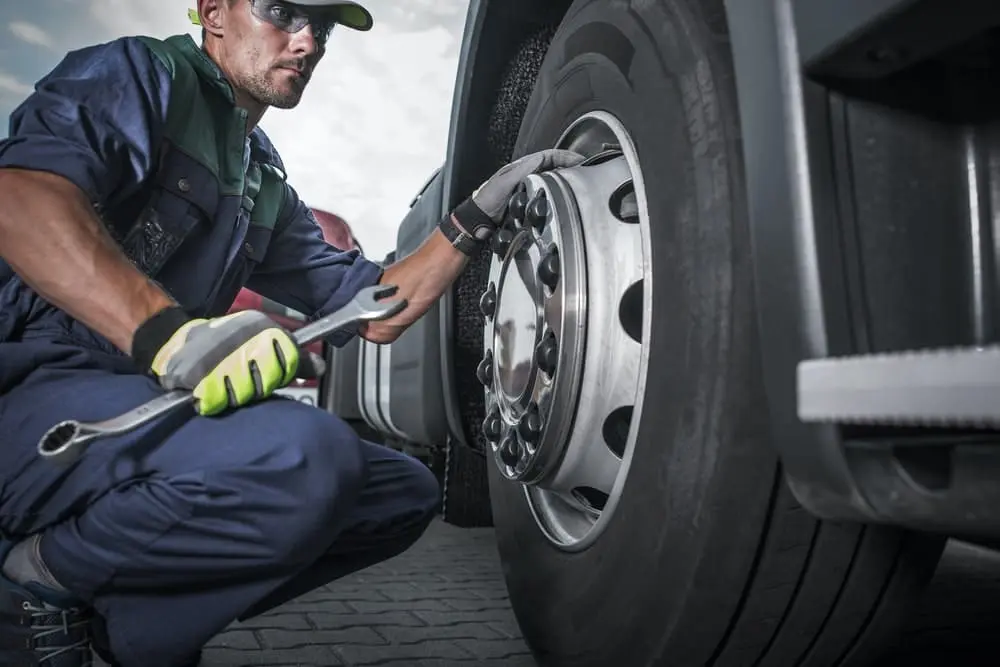
Tyres are often overlooked, but they play a crucial role in the safety and performance of these essential service trucks. Regular tyre maintenance can help prevent blowouts and ensure optimal fuel efficiency.
- Punctures and Blowouts
Punctures and blowouts are common on the rough terrain where service vehicles often operate. Regularly inspect tyres for signs of damage, such as cuts, bulges, or embedded objects. Maintain proper tyre pressure and replace worn tyres promptly.
- Uneven Wear
Uneven tyre wear can indicate a problem with the vehicle’s alignment or suspension. Have the alignment checked and corrected if necessary. Inspect the suspension components for wear or damage and replace them as needed.
- Pressure Problems
Maintaining proper tyre pressure is essential for safety, fuel efficiency, and tyre life. Check the tyre pressure regularly and adjust it according to the manufacturer’s recommendations. Underinflated tyres can overheat and lead to blowouts, while overinflated tyres can reduce traction and cause uneven wear.
Preventive Maintenance: The Key to Longevity
The best way to avoid issues with service trucks is to implement a comprehensive preventive maintenance program. Regular inspections, fluid changes, and component replacements can help identify and address potential problems before they become major failures. Keep detailed maintenance records and follow the manufacturer’s recommendations for service intervals. Consider investing in a telematics system to monitor vehicle performance and identify potential issues in real-time.
By proactively addressing potential problems and performing regular maintenance, you can extend the lifespan of your fleet of service trucks, reduce downtime, and improve the overall efficiency of your operations. Remember, a well-maintained service truck is a valuable asset that can contribute significantly to the success of your business.
Ultimately, when you need to find reliable suppliers of service trucks, it’s important to work with a company that understands the demands of the Australian landscape.